
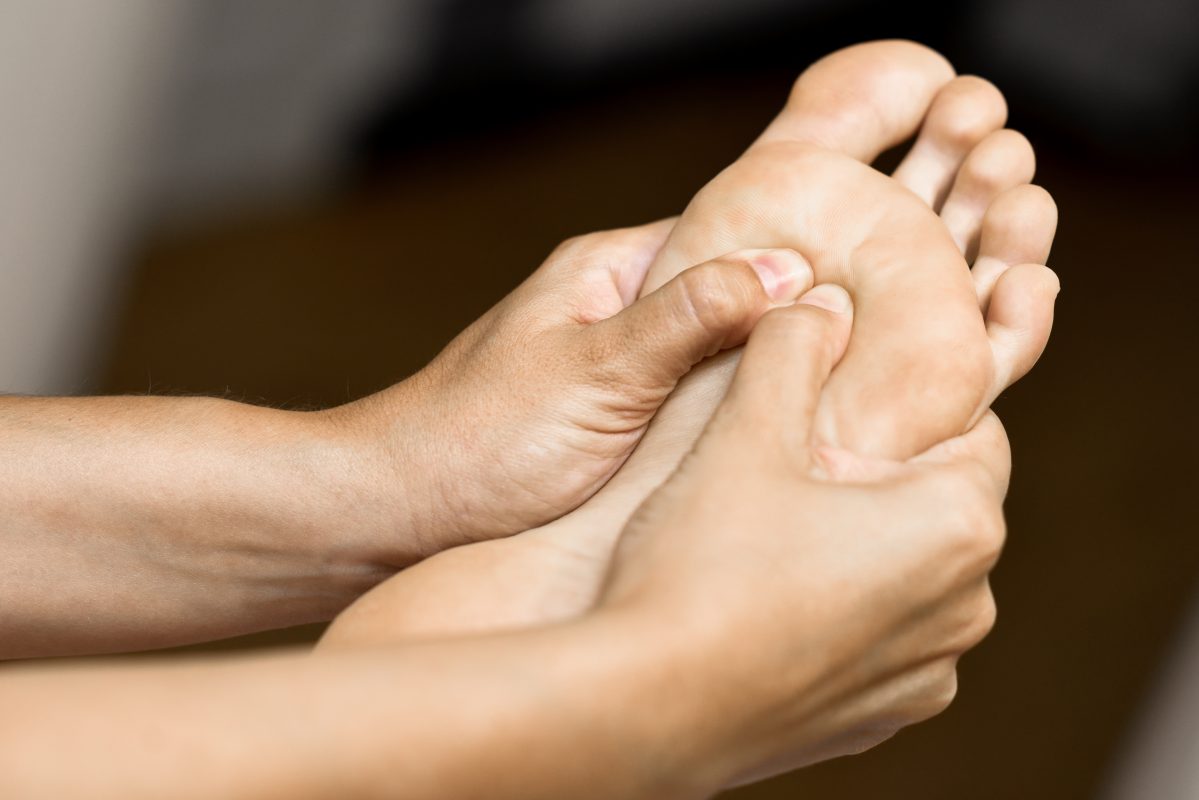
As obesity has eventually crossed specific ranges of age or gender or community, foot and ankle problems linked to it are addressed under specialised plans and care programmes.
Here, you can learn about some key factors regarding the impact of weight gain on foot and ankle health, including the physical complications and foot and ankle pain treatment plans.
Research shows that between 2010 and 2030, adults with obesity are expected to increase by 115%, and reach 1.13 billion. Considering this, the increasing number of obesity related foot problems is supposed to be a key concern as well.
So, how does foot pain occur due to being overweight? Do foot joint pain and obesity share any direct relationship? How could the possible ankle and foot pain be treated? Let’s find out.
How Weight Affects Foot & Ankle Biomechanics
Gaining uncontrollable weight profoundly impacts foot and ankle biomechanics by increasing structural load and chronic pain risks.
Structural Changes to the Foot
Weight gain and foot health – results in flattening of the arch, developing flat footedness, affecting the overall living comfort significantly.
The increased plantar pressure, especially under the forefoot and the midfoot, as well as enhanced fascia thickness, is also common.
Kinetic and Muscle Adaptations
Foot pain caused by being overweight and lower ankle muscle strength relative to body weight weakens ankle strength.
A low peak of plantar flexor and reduced power during terminal stance is observed as constant weight gain affects foot health.
Excessive activation of the dorsal flexors and ankle plantar, due to the high requirement of controlling greater mass, increases muscle fatigue.
Common Foot & Ankle Problems Linked to Weight Gain
By 2030, 48.9% adults are expected to be classified with obesity, expanding surgical risk factors in various socioeconomic groups.
So, what are the common foot problems enhanced due to obesity?
Plantar Fasciitis
Excessive body weight leads to plantar fasciitis, resulting in chronic heel pain. It not only affects the ankle or feet, but also affects the overall quality of life.
Fallen Arches / Flat Feet
Excessive, constant pressure affects tendons and ligaments, holding the arch in place to weaken and stretch (leading to collapse), causing over-pronation.
Tendonitis
Foot joint pain due to obesity causes constant and severe strain on tendons, especially the posterior or Achilles tendon, resulting in pain and inflammation.
Ankle and Foot Arthritis
Additional weight enhances the wear and tear process on joint cartilage, causing joint degeneration, stiffness, and pain.
Metatarsalgia (Ball-of-Foot Pain)
Enhanced pressure on the forefoot causes inflammation and pain, while the metatarsal area is fractured due to the metatarsal area.
Other Potential Issue
- Enhanced pressure pushes toes close, developing or worsening of bunions and curled toes.
- Ankle sprains are more frequent, as the additional weight affects body stability and gait.
Impact of Obesity on Joints, Tendons, & Soft Tissue
Obesity has a multi-facet impact on the musculoskeletal system, and is a key risk factor regarding soft tissue damage, chronic pain, and joint degeneration. The consequences mostly emerge from systematic metabolic inflammation and mechanical overloading.
Impact on Joints (Arthritis & Degeneration)
- First and foremost, risks regarding osteoarthritis due to obesity affect joint strength, especially in individuals with a BMI >30 kg/m².
- Cartilage degradation and constant foot joint pain due to obesity affect the load-bearing ability of knee joints significantly, along with the spine and hips.
- Meniscal extrusion, caused by displacements and muscle tears, and subchondral bone marrow lesions, are some of the major outcomes of obesity.
Impact on Tendons & Soft Tissue
- Foot pain due to being overweight leads to tendonitis, where ligaments and tendons need to work harder to stabilise them, leading to chronic inflammation, such as rotator cuff injuries, tendonitis, and plantar fasciitis.
- Obesity and foot problems collaboratively damage soft tissues. Adipose tissue functions as an endocrine organ, releasing cytokines and adipokines, such as IL-6 and TNF-α, triggering chronic low-grade inflammation, causing tendon degeneration.
- Disorganised collagen architecture with decreased elasticity is more common among obese individuals, enhancing the risk of tears and micro-ruptures.
| Key Consequences | What Happens |
| Chronic Inflammation | Adipokines, such as leptin, adiponectin, and chemerin, directly damage joint tissue, tendons, and cartilage. |
| Altered Mechanics | Changing centre of gravity, developing poor posture, lower-back strain, and gait abnormalities. |
| Muscle Weakness | Decreasing muscle strength (sarcopenic obesity) reduces the shock-absorbing and protective ability of joints. |
Table: Key Physiological Consequences
Treatment Options for Obesity-Related Foot & Ankle Issues
Ankle pain treatment or foot pain treatment options deeply focus on reducing mechanical strain through proper footwear, weight loss, physical therapy, and orthotics, as well as surgery. Major approaches, including the use of custom-moulded shoes, strengthening exercises and orthotic inserts, also play a key role in managing several conditions like ankle instability and plantar fasciitis.
Conservative & Lifestyle Treatments
- Reducing body weight first, even by small amounts, is considered the fundamental requirement before any active treatment begins to reduce arch strain and pain.
- Shoes with adequate support and high shock absorption abilities, combined with custom moulded insoles or heel cups, manage flat feet and fat pad atrophy.
- Experts suggest physical therapies, such as targeted exercises, like calf stretches, ankle pumps, and toe raises to reduce swelling issues and improve flexibility.
- Several low-impact exercises, such as cycling, swimming, or the use of elliptical machines, help maintain a proper activity level, avoiding impact on joints.
- Specialised and regular foot exams are necessary during ankle pain treatment to manage neuropathy or vascular problems, strongly associated with diabetes and obesity.
Medical & Surgical Interventions
- Nonsteroidal anti-inflammatory drugs (NSAIDs) are used to manage severe pain.
- FDA-approved anti-obesity medications are beneficial in long-term weight reduction to alleviate lower limb pressure and are used in foot pain treatment.
- Well, if all the conservative methods fail, experts opt for surgery in conditions like chronic pain or bunions, although people with obesity face critical risks of post-operative complications.
Final Thoughts
Since obesity is a key driving factor in foot and ankle pain, you cannot ignore the issues regarding constant weight gain. Seek experts’ help before the health conditions escalate to get a healthy life. However, check the expert’s background and experiences in podiatry, and ensure the budget before opting for a particular treatment.
Looking for the best podiatrist to get the right treatment within your budget? Check our website to get the best facilities before it’s too late.
Frequently Asked Questions
Q1: Are Orthotics Useless if I’m Overweight?
Certainly not, in fact, obese people mostly benefit from properly prescribed, well-made orthotics more than any other group. Find the most comfortable, effective orthotics, a key tool to prevent ankle and foot issues, and reduce pain with exercises and care.
Q2: Are Expensive Shoes Always Better for Foot Problems?
Well, you may argue that expensive shoes provide the best-quality materials, along with durability and reliable craftsmanship, but that does not mean that they are always better for foot problems. Take experts’ advice, and you can find several budget or mid-range shoes that provide better comfort and support with high-tech, high-cost alternatives.
Q3: Do I Need to Lose Weight Before Seeing a Podiatrist?
Not necessary. If you are experiencing severe foot or ankle pain, visit a podiatrist as soon as possible. Losing weight is necessary, but take the experts’ suggestions at the very beginning.
Q4: IF I’m Younger, Should I Be Concerned About Weight-related Foot Issues?
It’s better to be so! Extra weight creates stress on the feet, affecting the body’s stability. It also causes body pain, long-term damage and structural changes, regardless of age.