
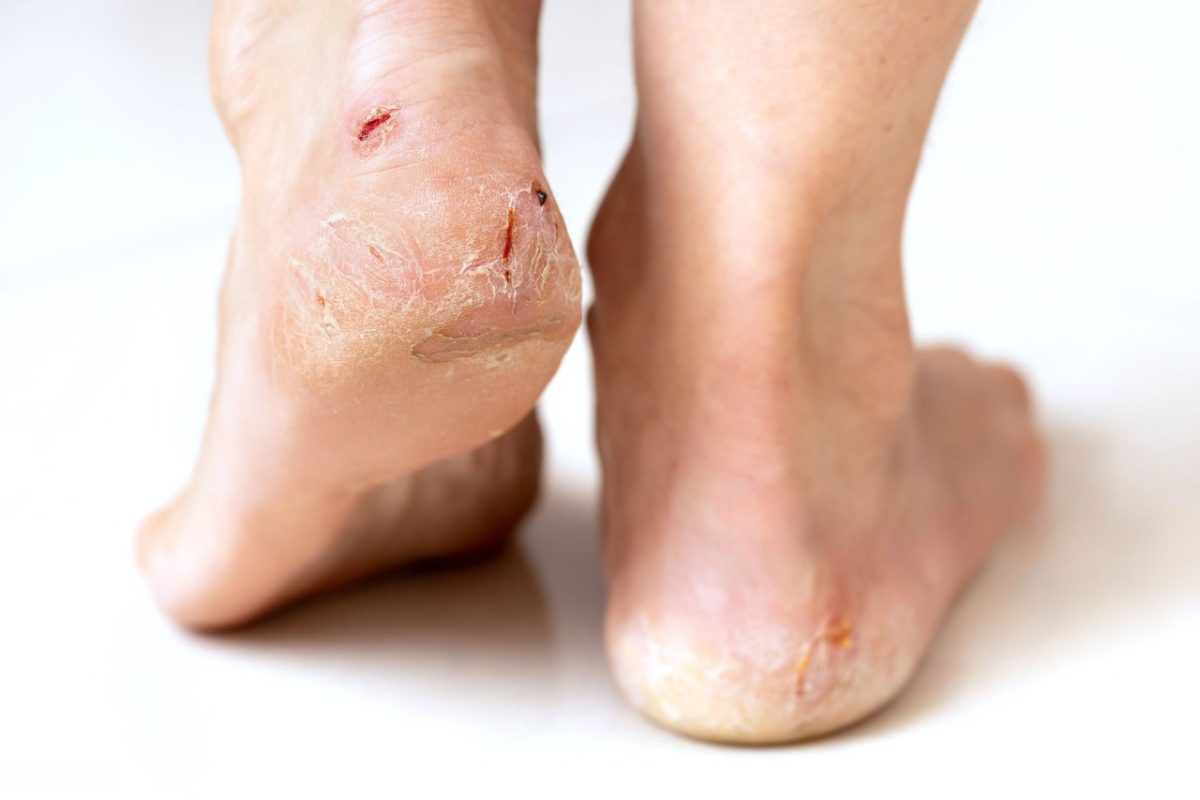
Suffering from dry and cracked heels in the winter already? So, how can you resolve the issue? In this guide, we will talk about these common foot problems in the winter. Read on to know more.
The main reason for a dry and cracked heel in winter is the dry weather. When you wear extra layers such as sweatshirts, coats, and scarves to keep yourself warm in the cold weather, your feet also demand care. Besides taking care of your skin, you should also dedicate some time to caring for your feet.
But first, you should understand the actual reasons behind a dry and cracked heel during winter. Only then will you be able to take good care of your feet and heels. So, let’s start the discussion by understanding the foot problems during the winter.
Understanding Foot Problems During Winter
In the winter, when we expect freezing temperatures with whipping winds, several foot problems occur. If you are exposed to cold air or temperature, the blood circulation in your body starts to slow down as your body tries to preserve its temperature. In the winter, people with poor blood circulation, diabetes, and neuropathy issues suffer from foot problems more than others.
So, let’s take a look at the common cold-weather foot problems:
Dry and Cracked Heels
Cracked heels may occur at any time of the year, but they are a common foot problem in the winter. With winter comes cold and dry weather that leaves little humidity in the air, leading to drying out your skin.
In general, your feet are drier than other body parts, and in winter, the situation gets worse. You might suffer from dry, cracked heels if you already have a buildup of dead cells in the heels of your feet. The winter dryness and heat from your room heater accelerate the process of cracked heels.
Chilblains
If you keep your feet exposed to cold air for a long time, it causes inflammation in the blood vessels of your feet. Chilblains look like red patches with swelling and blisters.
Chilblains do not only occur in your feet, but they can also happen on the exposed areas of your hands. It is also called pernio. With the right winter foot care, you can resolve the issue.
Frostbite
In extremely cold temperatures, if you keep your skin exposed for a long period of time, you might get frostbite. In the cold air, the blood vessels in your skin get constricted, which limits blood flow to the tissue. As a result, it will cause damage or death to the tissues.
Toenail Fungus
Without proper winter foot care planning, it becomes common to get a foot infection during this season. Besides a dry heel, your nails become dry and brittle. Your foot health becomes worse if you are wearing thick socks that are not breathable; the accumulated sweat and moisture make it a perfect breeding ground for infections like athlete’s feet.
Raynaud’s phenomenon
This condition is most common among females who are suffering from blood circulation issues. If you are suffering from circulation issues and you have kept your fingers exposed to cold air, it can cause the tiny blood vessels in your fingers and toes to contract and limit blood flow to the area.
It may cause your toes and fingers to turn blue or white and numb the area.
How to Prevent and Treat Dry or Cracked Heels
Taking care of your heels is the first step to preventing cracked heels. Look at the following tips to keep your feet healthy during the winter.
Proper Hydration is Necessary
Dry, cracked heels need proper hydration so that the condition does not get worse. Even if you want to prevent dry heels, you need to make sure that the heels are hydrated all the time.
Your feet have fewer oil glands compared to the other parts of your body, increasing the chance of dry heels. So, drink plenty of water to keep yourself hydrated and apply a good-quality moisturizing cream to your feet. Choose a cream with shea butter, coconut oil, and glycerine to keep your heels moisturised.
Exfoliate Your Skin
In the winter, dry skin builds up on the heels quickly. It then leads to rough patches and causes cracked heels.
Your dry feet winter remedies must include skin exfoliation, at least 2-3 times a week. You can use a mild foot rub to remove the dead cells from your heels. However, do not overdo it, as it may damage the young cells of your heel.
Soak Your Feet in Lukewarm Water
Soaking your feet in lukewarm water can be the best remedy for your dry heels. Your cold-weather foot problems, like dry heels, can go away mostly if you add Epsom salt or honey to the lukewarm water. It will help remove dry skin and add smoothness to your heels.
Always Keep Your Feet Dry
If you want to keep your feet free from fungal infections during the winter, you need to keep it dry all the time. During the winter, rain, snow, and cold are common things that can make your feet damp. Take a soft and dry cloth and thoroughly clean your feet, especially between the toes. Make sure to keep your feet dry after you take a bath, wash your feet, and come from the cold. Also, use moisture-wicking socks and wear a breathable shoe to keep your feet dry. Make this a part of your winter heel care routine.
Wear the Right Footwear
When choosing a winter shoe, consider both comfort and style. Choose an insulated and waterproof shoe with plenty of room inside for good circulation. Tight shoes can lead to restricted circulation and develop issues for your feet.
When Should You Visit a Podiatrist for Dry and Cracked Heels?
Callused heels in winter may not cause a serious threat to your health. However, if the heel cracks are deep, then it might become uncomfortable for you to walk. It also makes you vulnerable to infections. This is when you need to consult a podiatrist. Besides, if you have other foot issues like chilblains, frostbite, or toenail fungus, you must visit a podiatrist for treatment.
Visit your nearest Union Podiatry Clinic to avail the best treatment for your feet.
Treat Cracked Heel Before It Gets Worse
Winter comes with several foot problems; cracked heels are one of them. If you are suffering from cracked heels or have other issues with your feet, make sure to get them treated by a podiatrist before it’s too late.
Frequently Asked Questions
1. Should I soak my feet daily in lukewarm water?
No, you should not soak your feet regularly in lukewarm water. It may lead to excessive dryness of your feet. Instead, limit the process to 2-3 times a week. Don’t forget to keep your feet moisturised after the procedure.
2. Are there any ways to remove blackness from my foot?
If you want to reduce blackness from your feet, use a foot scrubber to exfoliate your skin. Also, apply a foot cream with vitamin C to keep it moisturised regularly. In case the issue persists along with cracked heels, go for a cracked heels treatment from a podiatrist.
3. I think my cracked heels are at the initial stage. Will it cause pain if I don’t treat it at the earliest?
Yes, it may cause pain in the later stage due to your cracked heels. If you don’t treat it from the initial stage, the cracks may deepen and lead to bleeding and pain.
4. Will it hurt or worsen the condition of my cracked heels if I walk barefoot?
Yes, if you walk barefoot on the floor, it might make the condition for your dry, cracked heels worse.