
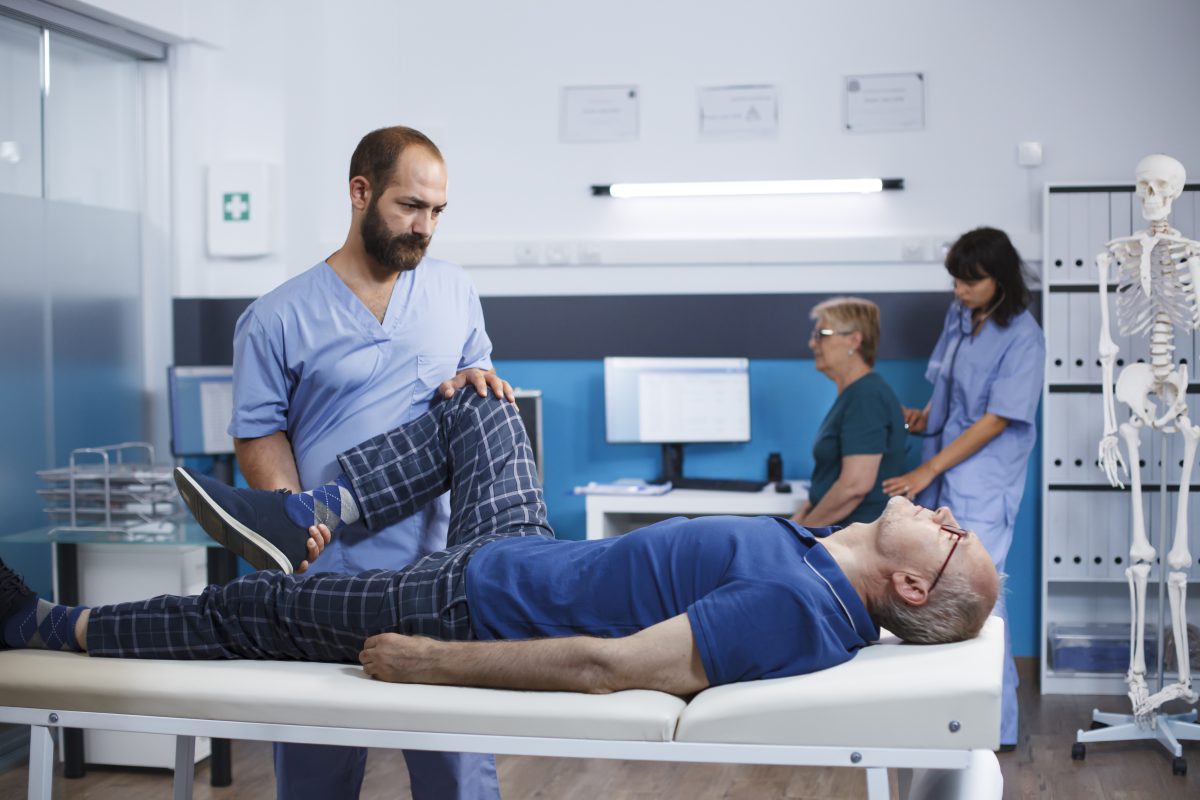
Podiatrist doctors are specialized medical professionals who diagnose, treat, and prevent complex foot, ankle, and lower limb disorders. Seeking early expert care protects mobility, manages chronic systemic conditions, reduces recurring pain, and ensures long-term structural alignment for overall wellness.
Key Takeaways
- Specialized podiatric care prevents minor lower limb issues from escalating into permanent structural mobility problems.
- Professional podiatrist treatments effectively manage chronic conditions like diabetes, arthritis, and neuropathy safely.
- Advanced clinical biomechanical evaluations optimize natural foot function, reducing joint strain across the entire body.
Foot health plays a crucial role in maintaining overall physical mobility, daily comfort, and active living. Since the feet bear the weight of our whole body, even minor problems in the feet can lead to pain and mobility-worrying conditions.
In this blog, we are going to explore why consulting a qualified podiatrist or foot doctor is crucial for preserving long-term ankle stability, reducing chronic pain, and sustaining healthy, pain-free mobility.
Understanding the Scope of Specialized Podiatric Care
Foot health directly relates to your entire musculoskeletal system. It influences how you walk, run, and stand comfortably every day. Ignoring minor discomfort often leads to severe secondary complications across connected joint networks.
The Unique Expertise of Podiatric Physicians
General practitioners often refer complex cases of podiatry to specialized clinics for precise intervention that only a foot doctor or a podiatrist can offer. Here is why podiatric physicians deliver unique interventions.
- Early Interventions: Podiatrists intervene early to stop progressive deformities effectively before considering invasive options for your foot issue.
- Source-level Healing: They use targeted therapies to eliminate the key reasons for chronic heel discomfort.
- Pain Management: Professional treatments minimize long-term reliance on invasive procedures or pain medication.
Comparative Scope of Specialized Interventions
Here are key areas that podiatrist doctors focus on to ensure prolonged patient benefits.
| Clinical Service Area | Primary Focus Area | Long-Term Patient Benefit |
| Biomechanical Assessment | Gait analysis and structural alignment | Prevents premature joint degeneration |
| Diabetic Foot Management | Neuropathy monitoring and ulcer care | Avoids severe infection or lower-limb amputation |
| Custom Orthotic Therapy | Dynamic arch and rearfoot support | Corrects posture and improves kinetic balance |
Table: Key Areas that Podiatrists Emphasize
Clinical Diagnostics and Lower Limb Imaging
Modern podiatric medicine relies on advanced digital radiography and high-resolution diagnostic ultrasound to visualize hidden tissue structures clearly. These precise diagnostic tools allow clinicians to identify micro-tears, hairline stress fractures, and subtle joint misalignments quickly.
Modern imaging technology like X-ray and Magnetic Resonance Imaging (MRI) ensures every treatment plan directly addresses the underlying root cause of physical lower limb pain.
How Specialized Care Protects Your Overall Mobility
Your feet are made of 26 bones, along with joints, muscles, ligaments, and tendons that need to align perfectly when you are moving. Over time, minor misalignment in your foot’s bones can result in severe knee, hip, or lower back issues.
Preventing Deformities and Progressive Joint Degeneration
Early clinical interventions successfully stop progressive conditions like bunions, hammertoes, and severe heel spurs from worsening. Targeted physical therapies restore original range of motion while minimizing painful friction within sensitive joints.
Here is how podiatrists help reduce deformities in your foot.
- Custom Night Splints: Podiatrists often use custom night splints to help reduce nighttime inflammation of soft tissues and tightening of tissues.
- Joint Mobilization: Podiatrists focus on gentle joint mobilization to ensure long-term cartilage health and flexibility.
- Clinical Padding: Foot doctors often recommend specialized clinical padding that alleviates severe friction during daily walking activities.
Custom Orthotics and Dynamic Biomechanical Support
Custom prescription orthotics are custom-molded to rectify your gait anomalies and distribute weight across the soles evenly. Unlike generic store-bought soles, they are designed by a podiatrist after a physical or digital scan to correct how you walk, align your skeleton, and reduce pain.
According to a Frontiers study, orthotic configurations with the right arch height and posting angle can result in a 5- 15% reduction in strain needed for pain relief.
At Union Podiatre, expert podiatrists excel at delivering precise custom orthotic solutions utilizing cutting-edge 3D scanning technology that captures a non-weight-bearing cast or image of the foot. This makes the process of making custom orthotics precise.
| Feature | Custom Prescription Orthotics | Over-the-Counter (OTC) Insoles |
|---|---|---|
| Diagnostic Method | Non-weight-bearing 3D digital scan or impression cast by a licensed podiatrist | Generic sizing based on standard shoe size |
| Correction Mechanism | Realigns specific skeletal angles, rearfoot posting, and arch heights | Provides temporary cushioning and generalized arch support |
| Durability & Lifespan | 3 to 5+ years (medical-grade polymers or carbon fiber) | 6 to 12 months (standard EVA foam or gel) |
| Primary Indication | Structural gait anomalies, chronic plantar fasciitis, severe overpronation, diabetic offloading | Mild arch fatigue from standing on hard surfaces |
| Insurance Coverage | Frequently covered under private health insurance or extended benefits | Out-of-pocket expense |
Table: Custom Prescription Orthotics vs. Over-the-Counter (OTC) Insoles
Preserving Arch Integrity and Kinetic Chain Alignment
Subsiding arches can put extra pressure on the plantar fascia, destabilizing your movement. Specialized supportive treatment from foot doctors offers stabilized foot arches, preventing abnormal internal rotation of lower leg bones while you walk.
| Plantar Fascia: The Plantar fascia is a thick, web-like band of tissue running across the bottom of your foot. It helps to connect your heel bone to your toes, supporting your foot’s arch and acting as a shock absorber. |
Managing Chronic Conditions and Systemic Diseases
Chronic conditions often show their early signs in the lower legs, feet, and peripheral vascular systems. With regular podiatric checkups from expert foot doctors, you can get early warnings for these systemic complications.
Diabetic Foot Care and Amputation Prevention
High blood-sugar levels can frequently result in poor circulation, leading to unhealing foot ulcers. According to the National Diabetes Education Program (NDEP), a partnership among the National Institutes of Health and the Centers for Disease Control and Prevention, comprehensive foot care programs can reduce amputation rates by 45% to 85%.
Arthritic Conditions and Joint Preservation
Osteoarthritis and rheumatoid arthritis cause severe joint inflammation, swelling, and stiffness in the ankle region.
Comprehensive treatment plans combine localized joint therapy, specialized footwear, and targeted anti-inflammatory strategies to maintain physical independence.
Peripheral Vascular Health and Circulatory Screening
Comprehensive podiatric screenings done by podiatrist doctors include vascular Doppler assessments to evaluate arterial circulation quality accurately in vulnerable lower limbs.
Identifying vascular deficiencies early allows clinicians to coordinate care with vascular specialists effectively. Combining specialized medical treatments protects vulnerable tissue integrity, drastically improving long-term limb preservation outcomes for high-risk patients.
When You Should Seek Professional Clinical Evaluation
Knowing when to consult a foot doctor or podiatrist can save you from months of suffering and chronic joint pain.
Warning Signs You Should Not Ignore
Here are some common signs that require immediate attention from foot doctors.
- Persistent heel pain in the morning
- Visible change in arch shape, bunion size, or toe alignment
- Numbness, tingling, or burning sensations across toes
- Redness near the foot skin, localized swelling, or warmth around joints.
Quick Checklist: Should You See a Podiatrist?
If you check two or more of these boxes, a professional biomechanical evaluation is recommended:
- Morning heel pain during your first steps out of bed
- Uneven wear patterns on the soles of your everyday shoes
- Frequent ankle instability or recurring sprains
- Numbness, burning, or tingling in your toes or arches
- A diagnosis of diabetes, rheumatoid arthritis, or poor circulation
| Urgency Level | Symptoms | Recommended Action |
|---|---|---|
| Tier 1: Urgent (Same Day / 24-48 Hours) | Open sores or ulcers (especially with diabetes), signs of infection (warmth, red streaks, pus), sudden inability to bear weight, or severe trauma. | Seek immediate podiatric or urgent clinical care to prevent tissue damage or systemic infection. |
| Tier 2: Clinical (1-2 Weeks) | Morning heel pain lasting greater than 2 weeks, progressive bunion/toe shifting, tingling or numbness in toes, or persistent arch fatigue. | Schedule a comprehensive biomechanical evaluation and 3D gait scan. |
| Tier 3: Routine & Prevention (Annual / As Needed) | Minor calluses, general shoe fit questions, routine annual diabetic foot checks, or preventative sports conditioning. | Book a routine yearly podiatry checkup to maintain proper kinetic alignment. |
Table: Symptom Triage Guide: How Quickly Should You See a Podiatrist?
Finding Qualified Local Clinical Specialists
Consulting experienced podiatrist doctors guarantees access to modern diagnostic imaging, non-invasive therapies, and personalized rehabilitation programs. Choosing professional care early safeguards your active lifestyle and preserves long-term physical independence.
If you are someone who is searching ‘podiatrist doctor near me ’ to find a trusted local foot doctor or podiatry clinic with medical experts, you should focus only on experts and certified professionals who understand your full medical history, leading to consistently superior long-term health outcomes.
How to Prepare for Your First Podiatry Appointment
To ensure your podiatrist gets an accurate picture of your lower limb mechanics, bring these items to your consultation:
- Your Most-Worn Footwear: Bring 2-3 pairs of shoes you wear regularly (running shoes, work shoes, daily walking shoes). The wear patterns on the outsoles provide critical diagnostic clues about your gait.
- Existing Inserts or Orthotics: Bring any over-the-counter insoles or previous prescription orthotics you currently use.
- Symptom Log: Note when your pain occurs (e.g., first steps in the morning, after 30 minutes of standing, during exercise).
- Medical & Surgical History: Prepare a list of current medications, prior lower-body surgeries, and chronic conditions (such as diabetes, gout, or rheumatoid arthritis).
- Attire: Wear pants that can easily be rolled up above the knee so your clinician can perform a full gait analysis.
Daily Habits for Long-Term Foot and Ankle Strength
While professional medical care is indispensable, daily home maintenance forms the baseline of your physical wellness. Consistent habits protect structural integrity and keep muscles, tendons, and skin healthy between clinical visits.
Proper Footwear Selection and Proper Ergonomics
Select shoes with firm heel counters, adequate arch support, and wide toe boxes that prevent cramped toes. Avoid wearing flat, unsupportive footwear on hard surfaces for extended periods to protect delicate natural fat pads.
Here is how you can choose the proper footwear if you have a chronic foot problem.
- Activity Match: Choose footwear that matches your specific activity and surface type.
- Replacement Cycle: Replace athletic running shoes every 300 to 500 miles of use.
- Proper Fitting: Avoid narrow toe boxes that compress metatarsals and create painful friction.
Simple Daily Exercises for Arch and Ankle Stability
Incorporate daily calf stretches, toe curls, and ankle mobility drills to maintain flexible soft tissues. Strengthening intrinsic foot muscles builds natural arch support, improving balance and reducing injury risks as you age.
Wrapping Up
Prioritizing professional lower limb care safeguards your lifelong mobility, protects overall joint health, and eliminates unnecessary daily pain. Scheduling regular specialist evaluations ensures your feet remain strong, functional, and healthy throughout your life.
Ready to Walk Pain-Free? Partner with Union Podiatre Today!
Don’t let lower limb pain hold you back from living your best life! Our experienced medical team at Union Podiatre offers comprehensive, state-of-the-art clinical solutions, whether you need custom orthotics, diabetic foot management, or sports injury recovery. Book your consultation with us now and step confidently toward a pain-free future!
Frequently Asked Questions
How Often Should Healthy Adults Schedule Routine Podiatric Checkups?
Healthy adults should schedule a routine evaluation once every year to monitor structural changes, assess gait alignment, and catch potential biomechanical issues before they cause chronic lower limb pain.
Can Specialized Orthotics Completely Eliminate Chronic Lower Back Pain?
Yes, custom orthotics often significantly reduce or eliminate lower back pain by correcting foot pronation, absorbing impact shocks, and restoring proper kinetic alignment throughout your knees, hips, and spine.
What is the Primary Difference Between a Podiatrist and an Orthopedist?
Podiatrists specialize exclusively in lower extremity conditions from ankle to toe, holding specialized DPM degrees. Orthopedists treat the entire body’s bone and joint systems. Podiatrists offer highly focused, specialized foot and ankle care.
How Does Diabetes Affect Lower Extremity Circulation and Healing?
Diabetes restricts blood flow and damages peripheral nerves, reducing sensation and slowing wound healing. Poor circulation increases the risk of undetected cuts developing into severe, dangerous ulcers.
Are Custom Orthotics Better Than Store-Bought Shoe Insoles?
Custom orthotics are crafted from precise 3D scans of your feet to correct specific structural imbalances, whereas generic over-the-counter insoles only offer temporary cushioning without true corrective biomechanical support.