
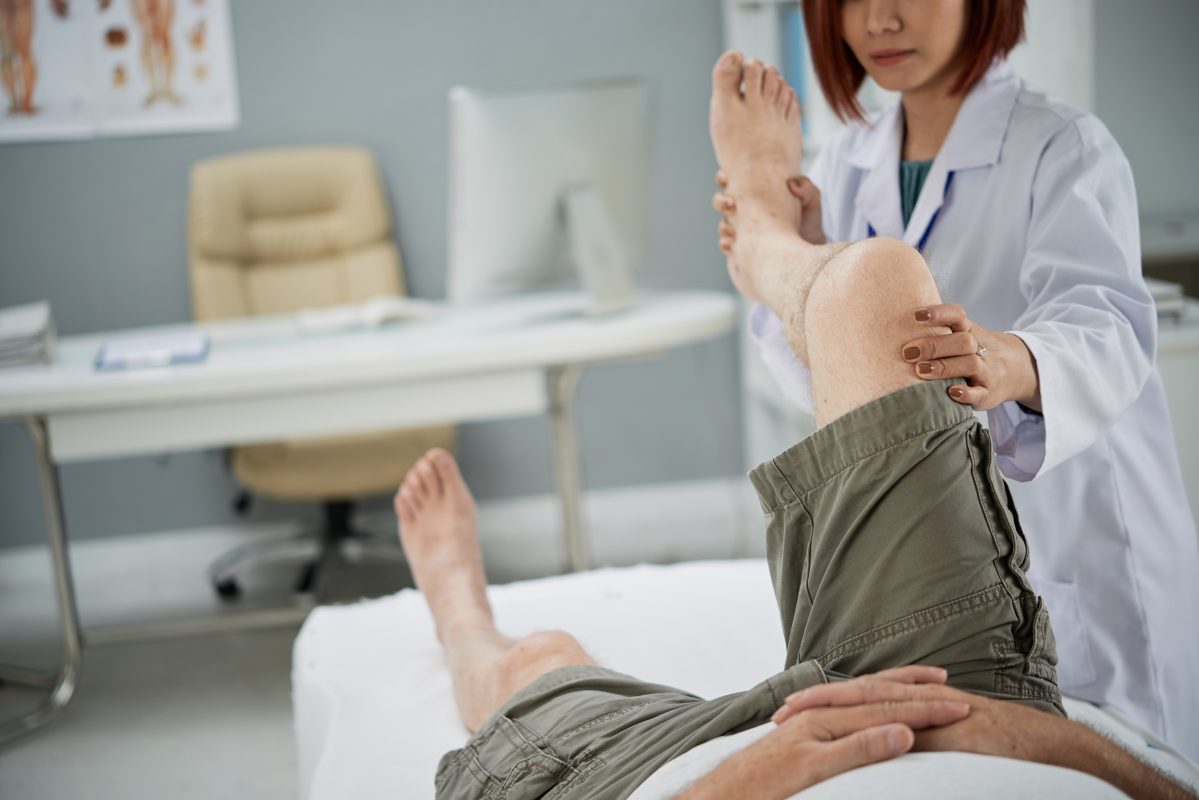
Regular podiatric care ensures early detection of biomechanical issues, chronic pain prevention, and optimal mobility. Consulting a certified foot specialist protects systemic lower-limb health, prevents severe diabetic complications, and maintains long-term structural alignment through precise clinical diagnostics and custom treatments.
Key Takeaways
- Routine specialist visits prevent severe lower-limb complications while enhancing overall daily mobility and comfort.
- Certified podiatrists diagnose hidden biomechanical misalignments before they manifest as painful, chronic joint conditions.
- Professional foot treatments provide customized preventive solutions tailored directly to individual lifestyle movement demands.
Foot health forms the foundation of overall bodily mobility, balance, and daily physical performance. Ignoring subtle discomforts often leads to severe biomechanical imbalances across your legs, hips, and lower spine. According to the Canadian Federation of Podiatric Medicine (CFPM), 75% of Canadians are going to experience foot health problems of varying degrees of severity at one time or another in their lives.
In this blog, we explore why routine consultations with a certified foot expert are essential. You will discover key treatments, preventive strategies, and specialized clinical care available for long-term health.
30-Second Foot Health Self-Check
Before reading further, take a moment to evaluate your current foot comfort. If you answer “Yes” to two or more of the following, schedule a professional clinical evaluation:
- Persistent Heel Pain: Do you feel sharp, stabbing pain in your heel during your first few steps out of bed in the morning?
- Uneven Footwear: Are the outer or inner soles of your everyday shoes wearing down significantly faster than the rest?
- Nail Texture Changes: Have your toenails become discolored, thickened, or painfully curved into the surrounding skin?
- Numbness or Tingling: Do you experience reduced sensation, burning, or pins-and-needles in your toes or arches?
- Frequent Ankle Instability: Do your ankles frequently give way or roll inward during normal walking or exercise?
The Core Role of Professional Foot Care
Maintaining foot integrity requires expert diagnostic evaluation that goes beyond standard home hygiene practices. Specialist interventions address root anatomical causes rather than temporary symptoms to secure long-term movement efficiency.
Preventing Chronic Biomechanical Strain
Continuous strain on your feet creates cascading stress across your entire musculoskeletal frame. Professional care corrects gait anomalies early, stopping painful joint misalignment before it limits daily activity.
Preserving Structural Lower-Limb Integrity
Your feet contain complex networks of bones, ligaments, and tendons requiring precise clinical management. Scheduled clinical monitoring stops micro-traumas from escalating into permanent structural foot damage.
Here is how professional foot specialists diagnose different areas of your feet with the key clinical goals:
| Diagnostic Area | Primary Clinical Goal | Key Health Outcome |
| Gait Analysis | Identify pressure distribution | Reduces joint stress |
| Dermatological Check | Detect skin lesions and fungal infection | Prevents skin breakdown |
| Vascular Assessment | Evaluate peripheral blood flow | Promotes rapid healing |
| Nerve Testing | Measure tactile sensation levels | Prevents undetected injuries |
Table 1: Key Diagnosis on Feet and Primary Clinical Goal
Key Benefits of Routine Clinical Visits
Consistent podiatric evaluations deliver vital protective measures that preserve your active lifestyle. Expert care significantly lowers the risk of sports injuries, structural degradation, and recurring localized infections.
Advanced Diagnostics for Hidden Conditions
Many serious podiatric issues develop silently without causing immediate localized pain signals. Early clinical screening reveals internal inflammation, stress micro-fractures, and subtle tendon degeneration before functional impairment occurs.
Tailored Treatment and Custom Orthotics
Generic inserts rarely address distinct structural abnormalities unique to your individual foot architecture. Prescribed custom orthotic devices redistribute weight evenly, supporting natural arch mechanics during strenuous exercise.
Here are the key benefits of regular visits to a podiatrist in Laval (podiatre Laval)
- Targeted Arch Support: Stabilizes midfoot structures during weight-bearing activities.
- Pressure Redistribution: Relieves localized stress on vulnerable metatarsal heads.
- Motion Control: Limits excessive pronation to prevent recurring ankle instability.
- Shock Absorption: Attenuates impact forces traveling up to the knee joints.
When severe pain strikes unexpectedly, accessing a certified emergency podiatrist (podiatre urgence) ensures rapid therapeutic interventions. Timely clinical action mitigates tissue trauma, managing sudden acute injuries before irreversible structural damage develops.
How to Prepare for Your Podiatry & Orthotic Evaluation
To get the most out of your clinical consultation and biomechanical assessment, bring the following items to your appointment:
- Your 2 Most-Worn Pairs of Shoes: Bring your daily work shoes and running/walking sneakers. The wear patterns on the outsoles provide critical diagnostic clues regarding your gait mechanics.
- Your Current Orthotics or Inserts: If you currently use over-the-counter or old custom insoles, bring them for comparison.
- Comfortable Clothing: Wear loose-fitting pants or shorts that can easily roll up above the knee so the clinician can observe joint mechanics during visual gait analysis.
- Health & Medication History: Bring a list of current medications and diagnostic notes, particularly if you are managing diabetes or peripheral vascular conditions.
Managing Specialized Lower-Limb Conditions
Certain systemic health conditions demand dedicated clinical podiatric oversight to prevent catastrophic complications. Professional care provides critical defense mechanisms against severe ulcerations, nerve damage, and chronic circulatory deficits.
Here are different lower-limb conditions where podiatrists focus:
| Podiatric Focus Area | Key Diagnostic & Clinical Procedures | Primary Patient Benefit |
| Diabetic Foot Care | Neuropathy screening, vascular evaluation, sterile wound dressing | Prevents deep ulcerations and severe infections |
| Sports Podiatry | Motion gait alignment, biomechanical taping, acute injury rehab | Restores physical mobility and prevents injury relapse |
Table 2: Different Podiatric Focus Areas and Primary Patient Benefit
Comprehensive Diabetic Foot Management
Diabetes severely impairs peripheral circulation and nerve sensation, drastically heightening serious infection risks. Specialized clinical monitoring ensures subtle skin tears receive immediate treatment before deep ulcers form.
Here is how diabetic foot treatment helps in optimal foot health:
- Neuropathy Screening: Measures sensory loss to prevent unnoticed soft tissue damage.
- Circulatory Evaluation: Checks peripheral arterial pulses to confirm adequate healing capacity.
- Wound Care Management: Applies sterile, advanced dressings to speed up tissue recovery.
- Preventive Patient Education: Teaches optimal home inspection habits to avoid severe complications.
Finding an experienced podiatre near me allows patients to maintain essential routine evaluations. Consistent local care gives individuals quick access to vital medical support whenever unexpected foot issues arise.
Treating Fungal and Nail Complications
Thickened, discolored, or ingrown toenails cause severe discomfort and invite secondary bacterial infections. Specialized removal tools and clinical-grade topical therapies safely eliminate stubborn fungal pathogens permanently.
Preventive Strategies for Everyday Mobility
Incorporating preventive podiatric maintenance safeguards your physical independence throughout every stage of life. Simple, targeted adjustments protect your feet from unnecessary wear and strain during daily activities.
Proper Footwear Selection and Mechanics
Wearing ill-fitting shoes remains a leading cause of preventable structural deformities like bunions. A clinical foot specialist evaluates your precise footprint to recommend shoes offering structural stability.
Maintaining Hygiene and Skin Health
Dry, cracked skin on heels creates dangerous pathways for aggressive opportunistic bacterial infections. Regular clinical exfoliation combined with deep medical moisture treatments keeps your skin barrier robust and flexible.
Follow these to maintain the hygiene of your feet:
- Daily Cleansing & Drying: Wash feet thoroughly with mild soap and ensure complete interdigital drying to discourage fungal pathogens.
- Skin Hydration Care: Apply rich moisturizing emollients to prevent heel cracking while avoiding application between toes.
- Proper Footwear & Trimming: Choose shoes offering structural midfoot stability and cut nails straight across to prevent painful ingrown edges.
For patients in the Greater Montreal and Laval region seeking top-tier clinical care, consulting a certified podiatrist in Laval (podiatre Laval) at Union Podiatre ensures your arch mechanics and joint alignment are precisely evaluated using digital diagnostic technology.
| Maintenance Focus | Recommended Frequency | Primary Health Benefit |
| Professional Examination | Every 6–12 months | Early structural anomaly detection |
| Footwear Assessment | Every 6 months | Ensures adequate support and cushioning |
| Nail & Skin Maintenance | Monthly | Prevents ingrown nails and fungal growth |
| Self-Inspection Routine | Daily | Identifies minor cuts or skin alterations |
Table 3: Maintenance focus and Frequency of Maintenance for your Feet
Advanced Clinical Interventions
Modern podiatric medicine prioritizes non-invasive, conservative therapies to restore mobility without requiring surgical downtime:
- Extracorporeal Shockwave Therapy (ESWT): Delivers high-energy acoustic sound waves to stimulate microcirculation and accelerate cellular tissue regeneration in chronic plantar fasciitis and Achilles tendinitis.
- Custom Biomechanical Orthotics: Prescribed following 3D gait scans to realign lower-limb joint angles, redistribute peak metatarsal pressure, and control excessive pronation.
- Laser Onyx Therapy: Employs targeted light wavelengths to penetrate deep nail layers and eradicate stubborn fungal pathogens (onychomycosis) without damaging surrounding skin tissue.
When to Seek Urgent Clinical Attention
Ignoring persistent pain signals often converts manageable soft-tissue conditions into complex chronic physical impairments. Seeking prompt professional evaluation prevents minor alignment issues from compromising your mobility long-term.
Recognizing Severe Red-Flag Symptoms
Sudden swelling, localized heat, numbness, or sharp shooting pain requires immediate professional podiatric evaluation. Early diagnostic imaging accurately identifies stress fractures, ligament tears, or hidden soft-tissue infections.
| Symptom / Condition | Priority Level | Recommended Action |
|---|---|---|
| Gradual arch dull ache, mild corns, preventive checkup | Standard | Schedule a routine consultation within 1–2 weeks. |
| Progressive ingrown toenail with mild redness | Prompt | Book an appointment within 48–72 hours to prevent deep infection. |
| Sudden severe swelling, localized heat, red streaks, open diabetic wound, or inability to bear weight | Urgent / Emergency | Seek immediate same-day evaluation with an emergency podiatrist (podiatre urgence). |
Table: Routine Visit vs. Emergency Care
Insurance & Reimbursement Information for Laval Patients
In Quebec, podiatric medical consultations, custom biomechanical orthotics, and specialized treatments are not covered by RAMQ (régie de l’assurance maladie du Québec). However:
Private Insurance Coverage
Most private, group, and personal health insurance plans cover podiatry consultations, prescription custom orthotics, and minor surgical procedures performed by licensed podiatrists.
Direct Insurance Receipts
Official insurance receipts with licensing credentials are issued at the end of each appointment for insurance claims or income tax health expense deductions.
No Medical Referral Needed
You do not require a referral from a general practitioner (GP) to consult a certified podiatrist in Laval.
Wrapping Up
Prioritizing regular podiatric care protects your long-term mobility, mitigates severe biomechanical strain, and stops minor issues from worsening. Expert diagnostics and custom treatments safeguard your active lifestyle, ensuring optimal physical health across every stage of life.
Optimize Your Foot Health with Union Podiatre!
Take control of your foot health today with Union Podiatre! Our certified foot specialists deliver advanced diagnostic care and custom orthotic solutions tailored to your unique mobility needs. Contact Union Podiatre now to schedule your comprehensive evaluation!
Frequently Asked Questions
How Often Should an Individual Schedule a Routine Checkup With a Podiatrist?
Healthy adults should schedule a professional podiatric assessment once a year. However, individuals with diabetes, ongoing circulation problems, or severe joint misalignment require more frequent quarterly clinical evaluations.
Can Custom Orthotics Correct Existing Foot Deformities Permanently Without Surgery?
Custom orthotics cannot surgically reverse structural bone deformities like severe bunions. However, they realign joint mechanics, reduce painful pressure, stop deformity progression, and optimize overall walking comfort effectively.
What Happens During a First Visit to a Podiatric Clinic?
Your initial consultation includes a thorough review of your medical history, a physical assessment of lower-limb joint mobility and vascular health, a functional gait analysis, and a personalized treatment outline tailored to your specific daily activity demands.
Why is Routine Foot Care Critically Vital for Patients Diagnosed With Diabetes?
Diabetes reduces peripheral sensation and blood circulation, making minor foot cuts dangerously hard to feel. Routine clinical visits prevent undetected minor injuries from evolving into severe, infected open ulcers.
What Specific Signs Indicate a Need for Immediate Emergency Podiatric Care?
Sudden severe swelling, acute localized pain, signs of spreading infection, or an inability to bear weight require urgent care. Rapid clinical treatment prevents permanent soft-tissue damage and severe mobility loss.