
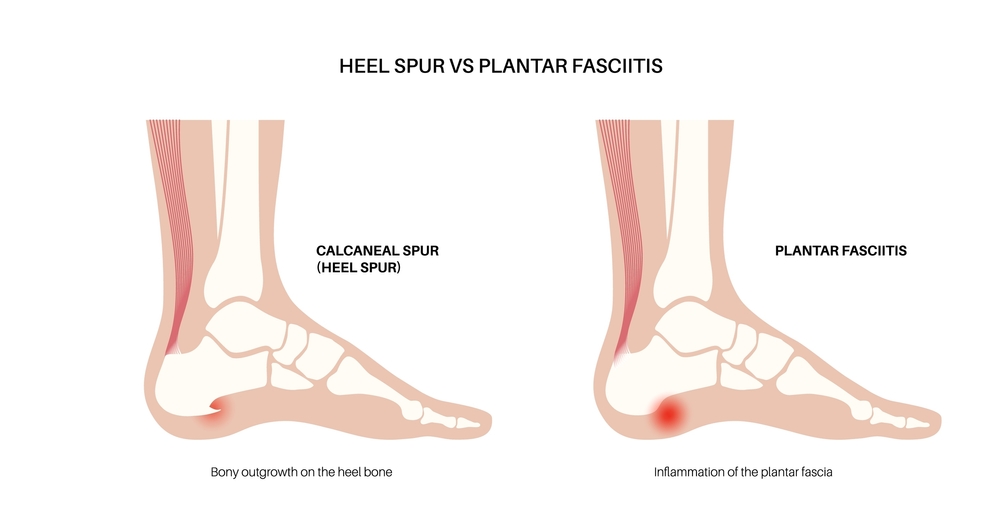
Many people often struggle with morning heel pain. In this guide, the critical differences between soft-tissue plantar fasciitis and bony heel spurs are highlighted. Readers can also learn to identify the key symptoms, explore advanced diagnostic tools used in foot clinics, and understand the non-invasive treatment options for long-lasting pain relief.
Key Takeaways
- Plantar Fasciitis results in inflammation of soft tissues, whereas heel spurs create calcified bony accumulation on the calcaneus.
- Advanced diagnostic instruments such as digital X-Rays, ultrasound, and 3D Scan Gait Analysis can determine the exact condition of your heel.
- Custom orthotics given by expert podiatrists provide effective, non-invasive, and long-term relief from heel pain.
As our lifestyles become busier, we are not at all concerned about our fitness and longevity. Our feet, which are one of the most crucial parts of our body, are mostly ignored until they start to hurt. When the extent of the pain increases, even simple mobility becomes difficult.
Plantar fasciitis as well as heel spurs might cause painful feet. However, there is widespread confusion between these two. In this blog, we are going to provide an overview and differentiate these two crucial foot problems, and understand how you can get long-lasting relief from these complications.
Plantar Fasciitis vs. Heel Spurs: Key Differences Explained
Plantar Fasciitis and heel spurs are both the result of putting additional stress on the feet. But their symptoms can differ, and how they happen is also different.
Plantar Fasciitis
Plantar Fasciitis is caused by irritation and inflammation of the band of tough tissue in your feet called the plantar fascia. This connective tissue in your feet supports your arch and absorbs and distributes the physical impact when your foot lands on the ground. Obviously, it goes through a lot of stress during the day. This can inflame the foot and cause pain.
Therefore, it is important to consult foot doctors once in a while to get a thorough checkup of your feet.
Here is an anatomical image of the plantar fascia, which is commonly affected in this:
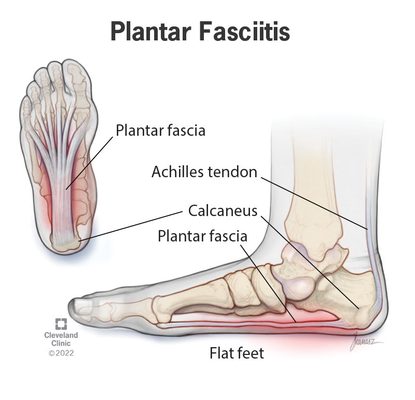
[Source: Clevelandclinic.org]
LIndividuals More Likely to Get Plantar Fasciitis
Individuals who are involved in high-impact physical activities like running and jumping have a higher risk of plantar fasciitis. However, it can happen to anyone.
Particularly, plantar fasciitis can happen to people who are:
- Overweight
- Spend a lot of time walking, running, or put additional pressure on their feet
- Have tighter calf muscles
- Wear shoes that do not fit them
Heel Spurs
Heel spurs, also referred to as calcaneal spurs, happen when excess calcium accumulates on the heel’s underside, creating a bony growth. This happens when extra and long term stress occurs on the ligaments and muscles of the heel. To protect the area, your body gathers extra calcium.
Here is a comparative table between these two foot complications.
| Criteria | Plantar Fasciitis | Heel Spur |
| Affected Foot Structure | Soft Fascia tissue | Calcified bony lump |
| Primary Symptoms | Sharp pain in the morning and heel pain | Point-tenderness on bones |
| Diagnostic Method | Musculoskeletal Ultrasound | Digital Podiatric X-Ray |
| Primary Cause | Overuse, tight calves, high arches | Prolonged mechanical stress on the calcaneus |
Table: Key Differences Between Plantar Fasciitis and Heel Spur
The Relationship Between Plantar Fasciitis and Heel Spur
Heel spurs are often the result of untreated plantar fasciitis. When the plantar fascia is pulled repeatedly or put into chronic tension and microtrauma for a prolonged period, the spur becomes a response to that tension, as the body deposits calcium at the attachment site on the heel.
SCommon Symptoms and Triggers
Both conditions can cause heel discomfort, albeit the nature of discomfort and the way it happens differentiates them from one another.
Common Plantar Fasciitis Symptoms
Plantar fasciitis has some symptoms that individuals often report to podiatrist doctors. These symptoms include.
- Pain on the bottom side of the heel
- Discomfort when you start to walk after taking rest
- Pain that reduces when you’re active, and then comes back later
- Tenderness where the arch begins near the heel
- Symptoms that become much worse after you stand, walk, or run for a long time
Common Heel Spur Symptoms
Heel spurs can be there without causing symptoms. Still, some general clues of heel spurs include:
- A bony spur that you can see on an X-ray
- Heel pain that co-occurs with plantar fasciitis symptoms
- Tightness in the foot or a tight Achilles tendon
Common Triggers That Can Create Onset of Discomfort
Some triggers can increase the chances of this foot discomfort. Pain can develop gradually or with sudden onset.
- Sudden increase in activity, like starting a new workout routine or running more
- Walking or running on hard surfaces like concrete, tile, or hard floors
- Jobs or tasks that require you to stand on your feet for longer periods
- Walking barefoot
How Board-Certified Podiatrists Diagnose Your Heel Pain
Visiting a professional foot clinic is the best way to alleviate your heel pain in these scenarios. A professional podiatrist may look at your symptom pattern, press on specific areas of the heel, assess flexibility, check your gait, and review your footwear.
Here is how foot doctors use in-clinic diagnostic technologies to diagnose your heel pain.
Digital Podiatric X-Rays
Using this technology, podiatrist doctors can create high-resolution images of the foot and ankle bones. With fast, low-radiation imaging, it can detect or rule out heel spurs and stress-induced microfractures.
Diagnostic Ultrasound
This technology gives real-time, high-resolution images of foot muscles, tendons, ligaments, and fascia without radiation, with safe sound waves. Foot doctors use this to measure the thickness and inflammation of the plantar fascia band and assess the real-time movement of tissues when you flex or relax your foot.
3D Motion-Capture Gait Analysis
A 3D Motion-Capture Gait Analysis helps to identify foot complications by tracking your walking or running mechanics using digital pressure-mapping plates, cameras, or 3D foot scanners.
It captures whether your foot has uneven weight distribution or irregular foot strike patterns that can put chronic stress on the heel.
Advanced Non-Invasive Treatment Options for Lasting Relief from Heel Pain
To get over persistent heel pain, a progressive, structured treatment is suggested, which can handle immediate pain.
Here is a three-stage non-invasive recovery option for prolonged treatment relief.
Immediate Home Care Protocols
Following these protocols daily can reduce your pain immediately.
- Apply cold packs to your affected heel
- Wear a nocturnal splint to hold the fascia in a gentle stretch overnight
- Do calf stretches regularly
Custom Prescription Orthotics
Generic over-the-counter inserts offer very basic cushioning, which does not help in these cases at all. Certified foot clinics offer custom-molded orthotics that deliver precise structural support.
At Union Podiatre, our expert podiatrists assess the condition of your heel and prescribe the best orthotic by doing a 3D foot scan. These devices can help you get a rectified arch collapse and bring a balance in weight distribution of the feet. Furthermore, it also removes the continuous strain from the plantar fascia, allowing natural healing.
Advanced In-Clinic Therapies
You can search for a foot doctor near me if your home remedy needs additional clinical reinforcement. Foot clinics use non-invasive advanced technologies like Extracorporeal Shockwave Therapy (ESWT), which uses acoustic waves to stimulate microcirculation and ensure faster cell repair.
Wrapping Up
To understand the difference between different heel pains is essential for quick recovery. Whether your pain is caused by plantar fasciitis or a heel spur can only be determined by proper diagnosis and physical assessment of your foot. Expert foot clinics provide long-lasting, non-invasive relief that can help you walk without pain.
Start Walking Pain-Free with Our Consultation!
Looking for a foot clinic to get rid of heel pain? At Union Podiatre’s clinically advanced clinics, experts conduct a comprehensive foot assessment to diagnose and treat your heel problems. Make an appointment today to get a consultation with your expert podiatrists.
Frequently Asked Questions
Why Does My Heel Pain Increase After Sitting at My Desk All Day?
When you rest, your plantar fascia continues to contract and tighten. After sitting for a long time, taking your first step stretches this rigid tissue, triggering localized pain due to inflammation.
How Does Extracorporeal Shockwave Therapy (ESWT) Remediate Heel Tissues Without Surgery?
ESWT uses high-energy acoustic sound waves deep into the affected tissue to break the micro-calcification and stimulate your body’s natural cellular regeneration for longer repair
What Can I Expect During My First Consultation at Your Clinic?
At Union Podiatre, our professional podiatrists take a look at your feet physically, evaluate your gait, and use advanced imaging tools to formulate a personalized, non-invasive recovery.
How Can I Reduce Heel Pain from Reappearing After I Have Fully Recovered?
Always keep your weight in check. Keep replacing your running shoes every 500 kilometers and wear the custom orthotics regularly. These practices will help your foot tissues remain flexible and resilient.
Is Heel Pain in Active Young Children Considered Normal, or is it a Growth Condition?
Children rarely experience adult plantar fasciitis. It is often observed that they are suffering from Sever’s disease, which is an inflammation of the heel’s growth plate caused by repetitive sports impact.